Summer Energy-Saving Smart Home Checklist for Hot Apartments
A small apartment heats up in layers. The sun hits the east windows before breakfast, the router and TV idle in the corner, and by late afternoon the west-facing room has been collecting warmth for hours. You do not need a full renovation or a smart device in every outlet. A few well-placed schedules, a couple of smart plugs, and a consistent shade routine can make a small space feel calmer and cooler—while cutting the power you waste on empty rooms and standby loads.
Before you buy anything, spend an hour noticing how heat moves through your apartment. Walk from room to room at three times: mid-morning, late afternoon, and after sunset. Note which windows get direct sun, which rooms stay warm after the sun leaves, and which devices are warm or glowing when nothing is happening. That information decides where automation helps and where it is just extra clutter. A simple note on your phone is enough: “east bedroom hot 8–11,” “west living room hot 3–6,” “TV corner warm all day.”
Look for the usual suspects: a TV and game console on standby, a charger left in a warm outlet, a desk lamp that stays on all evening, or a fan running in an empty room. Check windows for gaps, curtains that stop short of the floor, and doors that block cross-ventilation. A door that stays closed all day can trap heat in a bedroom that nobody is using, while a curtain that hangs just below the sill lets warm air spill into the room. If you rent, note any limits on installing permanent fixtures—battery-powered sensors and plug-in controls are often easier to remove later.
A schedule works best when it follows the building, not your impulses. Set shade control to close east-facing blinds by mid-morning, then open them when that side cools. Close west-facing shades before the afternoon sun hits the glass, not after the room has already warmed up. If you have smart blinds or a curtain opener, use two or three fixed times rather than a complicated rule for every hour. Simple schedules are easier to trust, and they are easier to adjust when the season shifts.
Do the same for cooling. If your air conditioner or heat pump has a schedule, keep the apartment warmer while it is empty and cool the rooms you actually use. Close doors to unused bedrooms and let the living area get the attention. A smart thermostat can help, but a basic timer on a window unit or a plug-in schedule for a fan can be enough in a small flat. The point is to avoid cooling an empty room for hours because you forgot to turn something off. If you work from home, set a midday pause instead of running the AC all day at full strength; a fan aimed at your desk may keep you comfortable for far less power.
Set a “sunset reset” too. At dusk, open the windows if the outside air is cooler, turn on a fan to pull air through, and switch off lights and entertainment devices in rooms nobody is using. The routine does not need to be perfect; it needs to be repeatable. Pair it with something you already do—after dinner, after the dishes, or when you close the laptop for the day—and it will stick.
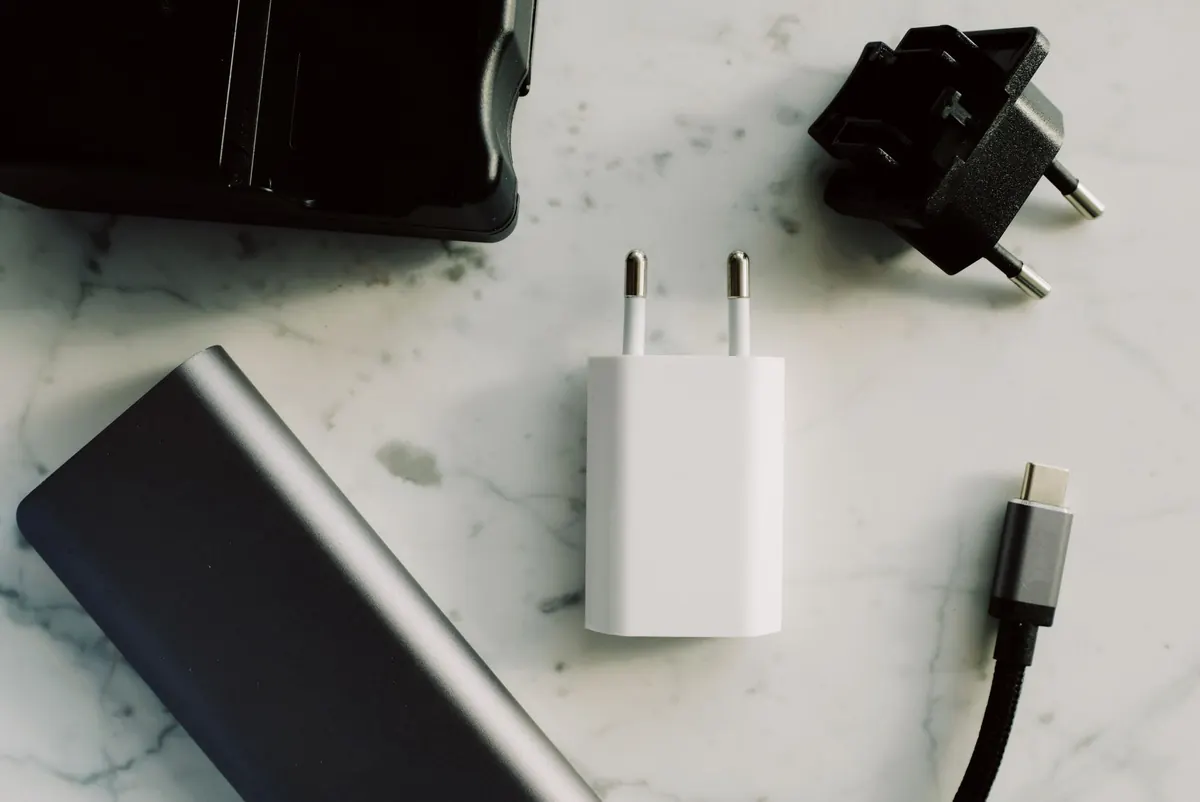
Smart plugs are most useful for the small, repetitive loads that quietly add up: a TV and console, a desk lamp, a charger station, a box fan, or a dehumidifier that only needs to run during certain hours. They are not a good fit for every appliance. Do not put a fridge, a space heater, an air conditioner, or any high-draw motor on a cheap plug unless the plug is clearly rated for that load and the manufacturer allows it. Avoid daisy-chaining plugs and extension cords, and keep them away from water and heavy furniture.
A sensible starting shortlist:
If your smart plug tracks energy use, use that data to check your assumptions. A device you thought was cheap to run may be on far longer than you imagined. A plug that saves two hours of standby power every day is a small win, but several small wins in a one-bedroom flat are how the bill changes without effort. Label the plugs clearly, especially if you share the apartment, so nobody unplugs the router by mistake.
Shade is the cheapest cooling tool you own. Close blinds or curtains on sun-facing windows before the glass gets hot, and keep them closed until the direct sun moves away. Light-colored curtains with a liner reflect more heat than thin dark fabric. If you have motorized blinds, schedule them to close a little earlier than you think necessary; the room will feel cooler before the air conditioner has to work. If you do not, a smart curtain robot or a simple manual routine can still do the job. Automation is a convenience, not a requirement.
At night, use the cooler air. Open windows on opposite sides of the apartment to create cross-ventilation. Put a box fan in one window blowing inward and another blowing outward, or use a single fan to push air through the main living space. If you have smart blinds, set them to open when the outside temperature drops and close again at sunrise. A window sensor can remind you when a window is still open while the AC is running, which is an easy mistake in a small flat. Even a simple door or window contact sensor can save money if it prevents one hour of cooled air from escaping.
For renters, battery-powered blind openers and smart curtain tracks are usually easier to install than wired systems. Check your lease before mounting anything permanent, and choose options that use adhesive or tension rods where possible.
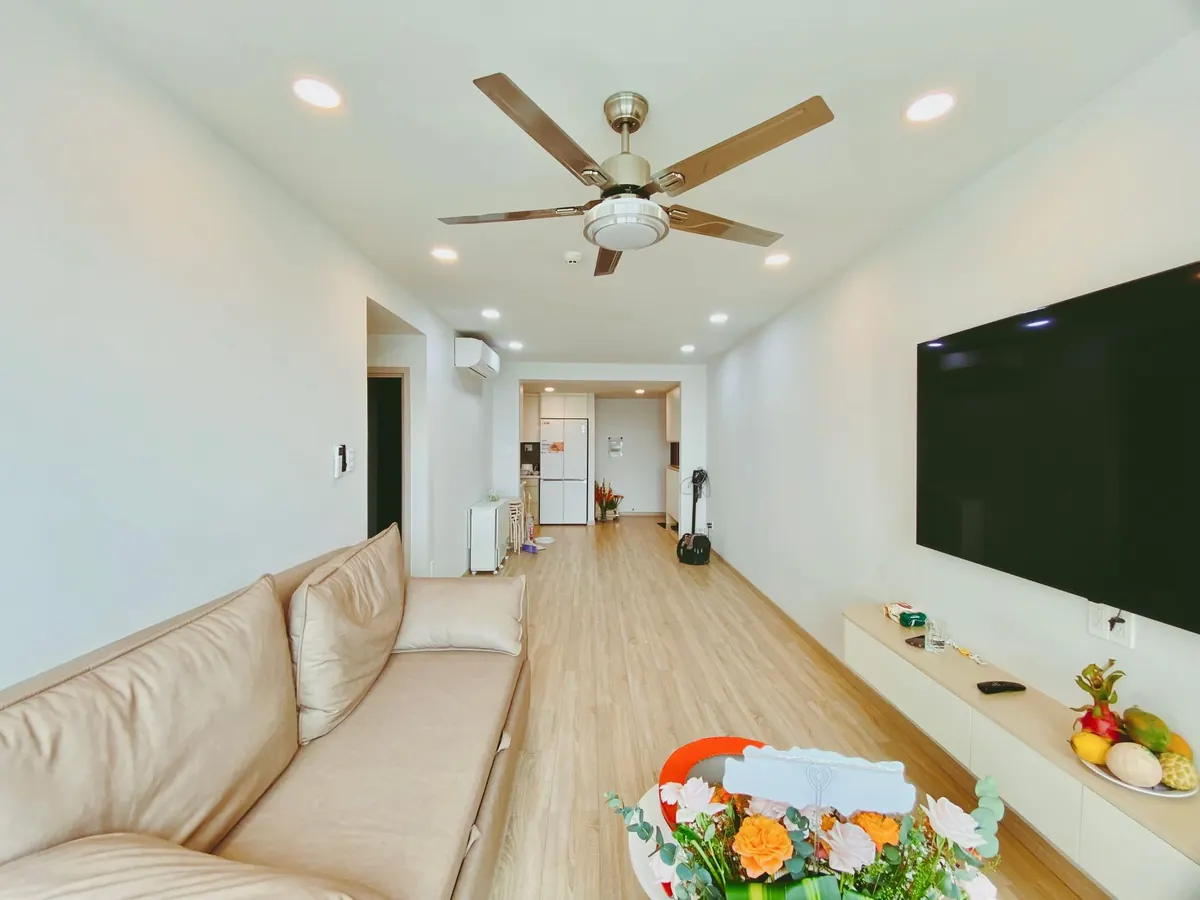
Fans do not cool the air; they move it across your skin, which makes you feel cooler. Use them where people are, not as a substitute for open windows in an empty room. A box fan in a window can pull cooler night air through the apartment, while a small desk fan uses far less power than lowering the thermostat several degrees. If you use a ceiling fan, check the direction: in summer, the fan should push air downward to create a breeze.
For air conditioning, keep the filter clean and do not block vents with furniture or curtains. Set the temperature as high as you comfortably can, and cool only the rooms in use. Close interior doors to unused rooms, but leave a path for air to return if your system needs it. If you have a window unit, make sure the sides are sealed so hot outside air does not leak in. Run heat-producing chores—cooking, baking, dishwashing—earlier in the day or later at night, and use the range hood or bathroom fan to pull humid air out.
Cool the room you are in, not the whole apartment, and let the evening air do the heavy lifting whenever it is cooler outside than inside.
The best smart home checklist is short enough to follow on a hot, tired day. Build the routine around three moments: morning, late afternoon, and sunset. Then add one weekly check so the system does not drift.
You do not need a dashboard to know whether the checklist is working. Compare one week of habits with the next by checking your utility app, your smart plug history, or simply how often the AC runs. If the apartment still feels hot, look for a missed shade, a door left open, or a fan pointed at an empty chair. If the bill barely moves, check the big loads first: air conditioning, the fridge, hot water, and laundry. Small standby savings help, but cooling and hot water usually decide the summer bill.
Keep the system adjustable. A schedule that works in June may be wrong in August, and a renter-friendly setup should move with you. Start with the audit, add one or two smart plugs, automate the shades you already have, and let a repeatable evening routine do the rest. The goal is not a perfectly automated apartment; it is a cooler, calmer space that wastes less energy without asking you to think about it all day.
Photo: Thới Nam Cao / Pexels
Previous Post
7 Common Mistakes That Make Smart Bulbs Less Useful
Next Post
Small Apartment Smart Kitchen Upgrades That Don't Need Drilling